
Culture
Egypt's Ancient Connection to Wellness — And How to Experience It Today
Long before 'wellness travel' was a category, ancient Egyptians were formalizing bathing, oils, and healing rituals into daily life. Here's that history, and how to find its modern equivalent along the Red Sea and in the desert.
Wellness travel has grown into one of the largest categories in tourism, worth hundreds of billions of dollars globally and expanding faster than travel spending overall. Spa hotels, retreat centers, and entire resort towns now market themselves primarily on restoration rather than sightseeing — the promise isn't a checklist of attractions, it's a body and mind that feel better on the way home than they did on the way in. Most of that industry borrows its language from wellness traditions in India, Japan, and Scandinavia. Rarely mentioned in the same breath: Egypt, a country that was formalizing bathing rituals, therapeutic oils, and natural treatments thousands of years before the word "spa" existed.
That omission is a genuine gap, because the historical record here isn't vague. Ancient Egyptians left behind an unusually detailed paper trail — literally, on papyrus — describing how they used natural ingredients and routines for the body in ways that read, with some translation, like an early wellness manual.
What the Historical Record Actually Shows
Ancient Egyptian use of oils and unguents is well documented, both in medical papyri like the Ebers Papyrus and in the archaeological record — jars of scented oils and fats have survived in tombs, meant to keep skin conditioned against Egypt's dry heat. Honey shows up repeatedly in these same texts, used topically as well as in food, valued for properties that modern research has since taken seriously enough to study honey's use in wound care. Natron, a naturally occurring salt mixture harvested from dry lakebeds, played a central role in mummification, but it was also used more broadly for cleansing — a precursor, in a rough sense, to the mineral-rich salt treatments that modern spas now sell as a novelty.
It's worth being precise here rather than romantic: this was a real, practical set of routines for a hot, arid climate — moisturizing against dryness, treating wounds and skin conditions with what was available, bathing as regular practice rather than occasion. It wasn't medicine in the modern clinical sense, and it's worth resisting the urge to overstate ancient claims into modern medical ones. What's genuinely documented is enough on its own: a culture that took bodily care seriously, systematized it, and wrote it down for later generations to follow.
Bathing as Daily Practice, Not Luxury
Cleanliness held real cultural and religious weight in ancient Egypt — priests in particular were required to bathe multiple times a day as part of ritual purity, and bathing more broadly was tied to both practical hygiene and spiritual life in a way that gave it more weight than it holds in a lot of ancient societies. That combination — physical care treated as inseparable from wellbeing rather than as an indulgence layered on top of it — is close to the exact pitch modern wellness tourism makes today, several thousand years later.
Beauty Rituals Documented in the Historical Record
Beyond bathing and skin treatments, ancient Egyptian cosmetic practice was genuinely sophisticated, and much of it is documented rather than assumed. Kohl, ground from minerals like galena, was worn by men and women alike — partly for its look, and there's also long-standing scholarly discussion around its use offering some protection against the region's harsh sun glare and eye irritation, though this is an area where the historical record and modern medical understanding don't map onto each other cleanly. The blue lotus flower appears repeatedly in tomb paintings and texts, associated with both scent and ritual significance, and henna use for hair and skin dates back thousands of years, still practiced across Egypt today in largely recognizable form. None of these were vanity practices layered on top of daily life — they were daily life, part of the same broader culture that treated the body as something worth deliberate care.
Where This History Meets a Modern Trip
The clearest modern equivalent to those salt-based ancient treatments sits in Siwa Oasis, where natural salt lakes — genuinely comparable in mineral concentration to the Dead Sea — are still used today much as they likely were centuries ago. Floating in one requires no effort at all; the water does the work. It's not a manufactured spa experience built for tourists — the lakes were there long before tourism was, and Siwans have used them for generations.
Siwa adds a second layer to this beyond the lakes themselves: the oasis's natural hot and cold springs, including the well-known Cleopatra's Spring, have drawn visitors for their reputed restorative qualities for a very long time, well before the term "wellness tourism" existed to describe what people were actually doing there. The combination of salt lake, spring, and the oasis's own slower pace of life is closer to a naturally occurring wellness retreat than anything built specifically to market itself as one.
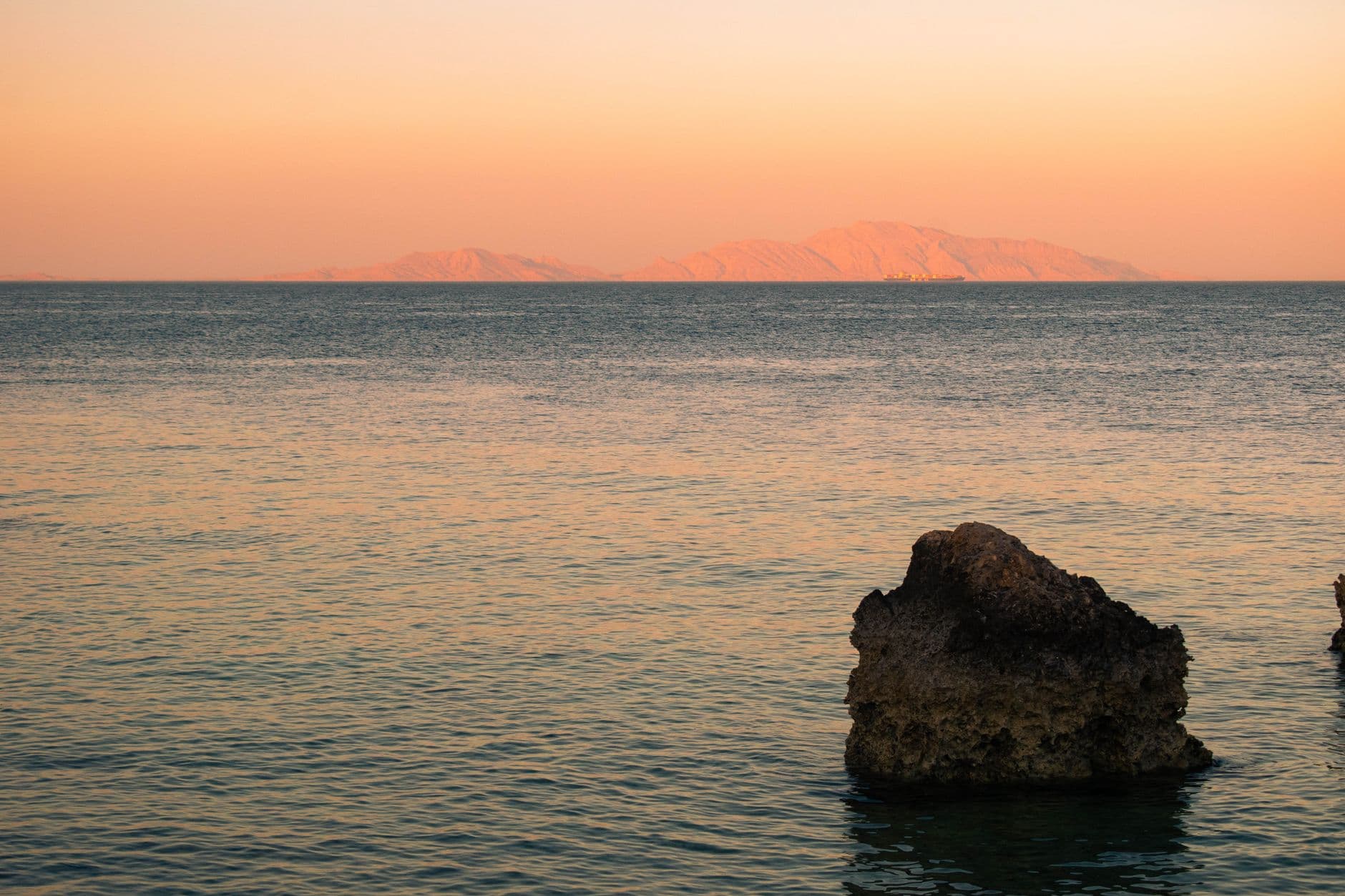
Along the Red Sea coast, the connection is more about pace than direct historical lineage. Purpose-built resort towns like El Gouna and Soma Bay were designed from the ground up for slower travel — lagoons, calm water, and considerably less nightlife than Hurghada or Sharm El Sheikh nearby. A day built around Soma Bay's quieter stretch of coast, or a Red Sea day with genuinely nothing scheduled beyond the water and the sand, gives a trip the kind of unhurried block of time that the ancient bathing culture, in its own way, treated as essential rather than optional.
The desert plays its own role here too. Egypt's dry climate has long been associated, informally, with relief for certain skin and respiratory conditions — the same dry heat that made oils and moisturizing routines a practical necessity for ancient Egyptians is part of why some travelers today report genuine relief from time spent in it. This is worth stating carefully rather than as a medical claim: the climate is real and documented, the anecdotal benefits are widely reported, and neither substitutes for a doctor's advice, but the pattern itself has a long, continuous history behind it.
A few specific ways this history shows up in a modern Egypt trip, concretely:
- Floating in Siwa's natural salt lakes — mineral-rich water still used by locals, not a manufactured tourist attraction
- An unhurried day on the Red Sea coast, in a resort town like El Gouna or Soma Bay built specifically for a slower pace
- Time in the dry desert climate itself, informally associated for centuries with relief from certain skin and joint conditions
- Locally made oils and honey-based products, still sold in markets much as their ancient equivalents would have been
- A felucca sail or quiet Nile stretch, offering the same kind of unstructured, restorative time as a modern retreat's open schedule
Good to Know
Historical use of natron, oils, and honey is well documented in Egyptology, but none of it should be read as modern medical advice. Enjoy the Red Sea coast and Siwa's salt lakes for what they genuinely are — beautiful, restorative places with real history behind them — rather than as a treatment for a specific condition.
Frequently Asked Questions
Yes, well documented in medical papyri like the Ebers Papyrus and in the archaeological record — natural oils and unguents for the skin, honey used both topically and medicinally, and natron salt used in cleansing, alongside a bathing culture tied closely to religious practice.
They're genuinely comparable in mineral concentration, and floating in them works the same way — the water's density does the work. They're natural lakes still used by the local community today, not a built spa facility.
Both are purpose-built resort towns designed for a slower pace than Hurghada or Sharm El Sheikh. Soma Bay tends to be the quieter of the two, with fewer crowds; El Gouna offers a bit more infrastructure and dining variety around its lagoons.
It's a genuinely underused one. Between Siwa's natural salt lakes, a documented ancient history of bathing and oil-based skin care, and Red Sea resort towns built specifically for slow, unstructured time, the pieces are all there — Egypt simply isn't marketed under the wellness-travel label the way other destinations are.
It's possible but requires planning, since they sit on opposite sides of the country with different travel times from Cairo. Most travelers pick one to pair with a classic Nile Valley itinerary rather than attempting both on a single trip.
None of this requires treating ancient Egypt as a wellness brand it never asked to be. What's actually there is simpler and more interesting than that: a culture that took the body seriously enough to write down what worked, in a climate and a landscape that still offer close to the same things today. A few unhurried days on the Red Sea, or an afternoon floating in Siwa's salt lakes, isn't a spa gimmick borrowed from somewhere else. It's closer to the original.
Build In Time to Actually Rest
A few unhurried days on the Red Sea coast, after the temples and the traffic, changes the whole shape of a trip.
Explore the Red Sea Relaxation TripWhere This Takes You
Egypt's Relaxation Mood: Red Sea
Turquoise water, white sand, and nothing on the agenda.
Desert Dreams: Siwa Oasis
Egypt's most remote oasis — salt lakes, dunes, and starlit skies.
Continue Exploring
Travel Guides
El Gouna and Soma Bay: Egypt's Purpose-Built Red Sea Resorts
Two planned resort towns on the Red Sea coast, built for lagoons, watersports, and a slower pace than Hurghada or Sharm — here's what each actually offers.
Ancient Egypt
How Ancient Egyptian Mummification Actually Worked
A 70-day process, canopic jars, and why the brain was the one organ they didn't bother preserving.
Travel Guides
What If You Took a Digital Detox in Egypt?
No signal in the Sahara, sunrise over a 3,000-year-old temple, a night sky without a single glowing screen in sight. Here's what an intentional digital detox in Egypt actually looks like.